
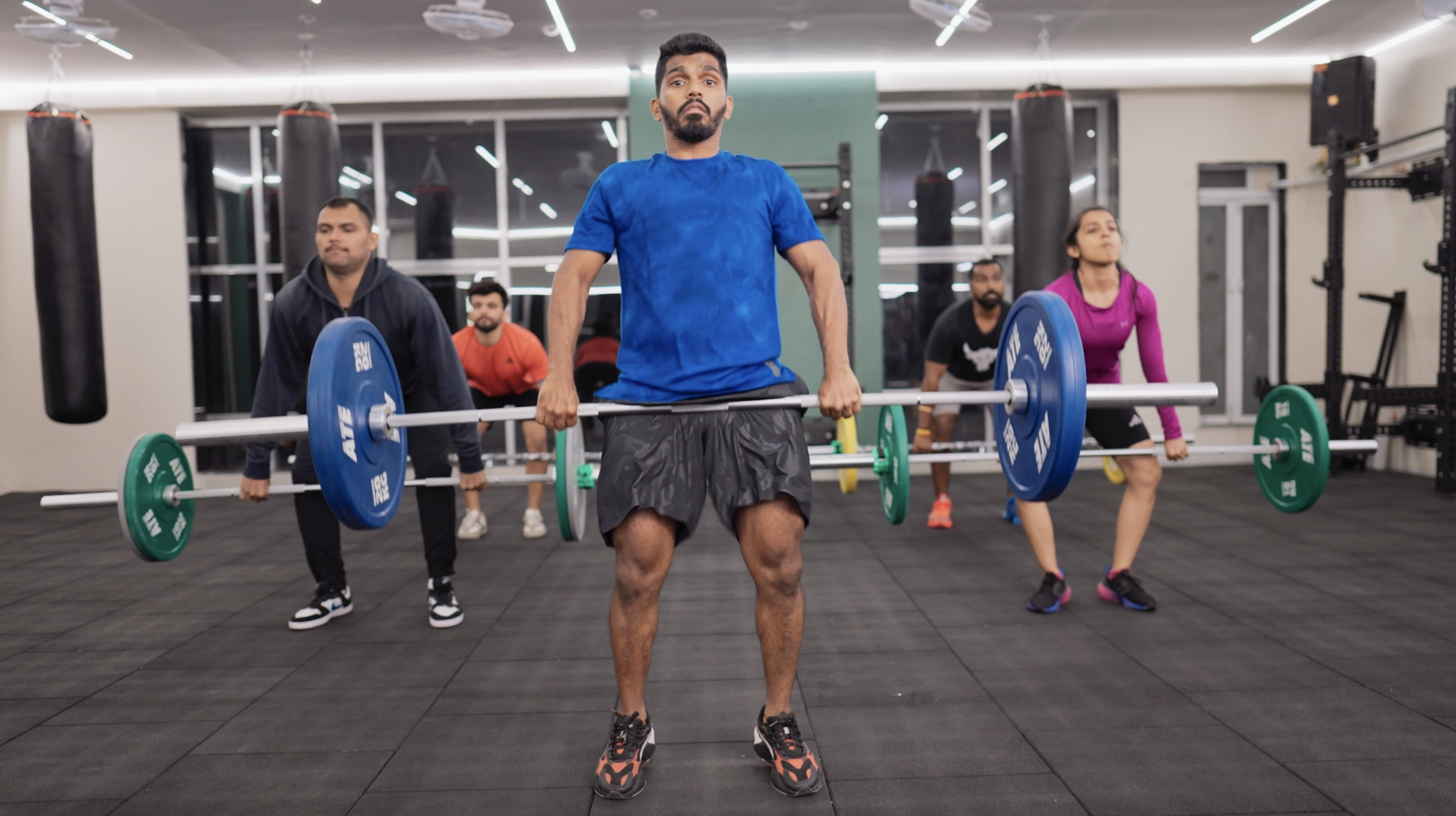
When you walk into a gym, most people are doing traditional workouts: lifting weights on machines, doing biceps curls, or jogging on a treadmill. Athlete-style training, on the other hand, looks — and feels — very different. Instead of just building muscle or burning calories, it focuses on performance, functional strength, and long-term health.
So, what exactly separates athletic training vs gym workout routines? Let’s break it down.
Core Principles of Athlete-Style Training
Athlete training is built on three pillars:
- Movement Quality – prioritizing mobility, stability, and technique.
- Performance Focus – speed, agility, power, and endurance matter as much as strength.
- Injury Prevention – training joints, tendons, and muscles to handle real-life stress.
It’s less about aesthetics and more about what your body can do.
What Regular Gym Workouts Typically Look Like
Most gym-goers follow a bodybuilding split: chest day, back day, arms day. These workouts emphasize muscle isolation and physique goals. Machines and dumbbells dominate, with less emphasis on movement patterns like sprinting, jumping, or rotational strength.
This style is effective for building muscle and shaping your body, but it doesn’t always translate to better performance in sports — or in daily life.
Key Differences: Athletic Training vs Gym Workout
Here’s a clear comparison:
| Aspect | Athlete-Style Training | Regular Gym Workout |
|---|---|---|
| Goal | Performance, power, endurance | Muscle size, aesthetics |
| Methods | Functional, compound, explosive | Isolated, controlled |
| Programming | Periodized, sport-specific | Repetitive, general |
| Outcomes | Agility, strength, resilience | Physique improvement |
| Injury Risk | Lower (prehab & balance work) | Higher (imbalances, overuse) |
The Benefits of Athlete Workout Programs
Improved Sports Performance
Athlete-style training develops power, agility, and speed — critical for sports and competitive performance.
Functional Strength for Everyday Life
Movements like lunges, carries, and rotational drills translate to real-life tasks — from climbing stairs to lifting heavy groceries.
Reduced Risk of Injury
By working on joint stability, balance, and prehab exercises, you reduce common gym injuries and build long-term resilience.
Functional Training Benefits Explained
Functional training bridges the gap between gym fitness and real-world fitness. It improves core stability, balance, coordination, and mobility. That’s why athlete workout programs often include plyometrics, medicine ball throws, sled pushes, and rotational strength work.
Who Should Try Athlete-Style Training?
- Athletes looking for a competitive edge.
- Fitness enthusiasts who want more than muscle gain.
- Beginners who want safe, holistic progress.
The beauty is that athlete training scales — a beginner can start with bodyweight and bands, while advanced athletes push sleds and perform Olympic lifts.
How to Start Athlete-Style Training
A typical athlete workout program includes four components:
- Warm-up & Mobility – dynamic stretches, activation drills.
- Strength & Power – squats, deadlifts, Olympic lifts, plyometrics.
- Conditioning – sprint intervals, sled pushes, circuit training.
- Recovery – sleep, nutrition, stretching, foam rolling.
Start small, focus on quality movement, and progress gradually.
Common Misconceptions About Athlete Training
- “It’s only for professional athletes.” → False. Anyone can train this way.
- “You won’t build muscle.” → Not true; functional strength often leads to lean muscle growth.
- “It’s too intense for beginners.” → Proper scaling makes it accessible to all.
Blending Both Styles for Maximum Results
You don’t have to pick one. Many people benefit from combining bodybuilding with athlete training — building muscle for aesthetics while training for performance. For example, pair heavy squats (strength) with plyometric jumps (power).
FAQs on Athletic Training vs Gym Workouts
Q1: Is athlete training better than regular gym workouts?
It depends on your goal. If you want performance and function, athlete training wins. For pure aesthetics, gym workouts are effective.
Q2: Can beginners start with athlete-style training?
Yes — with proper guidance and scaled exercises.
Q3: Do athlete workout programs build muscle?
Yes, though muscle gain is leaner and more functional than bodybuilding.
Q4: How often should I train like an athlete?
3–5 times a week is ideal, depending on recovery.
Q5: What equipment do I need for functional training?
Sleds, kettlebells, medicine balls, resistance bands, and open space.
Q6: Does athlete-style training improve everyday fitness?
Absolutely — you’ll move better, feel stronger, and prevent injuries.
Why Train Like an Athlete?
While regular gym workouts help you look good, athlete-style training helps you perform, move, and feel better in every aspect of life. The best part? You don’t need to be a pro athlete to benefit — you just need the right program and consistency.
If you want to go beyond lifting weights and discover what your body is truly capable of, try shifting to athlete-style training. It could transform not just your workouts, but the way you move through life.
House of Champions: Athlete-Style Training in Powai, Mumbai
At House of Champions in Powai, we live and breathe the athlete-styled training philosophy. All our coaches are national-level athletes from different sports — bringing not just knowledge, but lived experience of what it takes to train, perform, and compete at the highest level.
By combining our athletic expertise with a supportive training environment, we’ve created a space where anyone in Mumbai can experience the long-lasting benefits of true performance training — without needing to be a professional athlete.
👉 Book a trial with us and start your HYROX training today.
